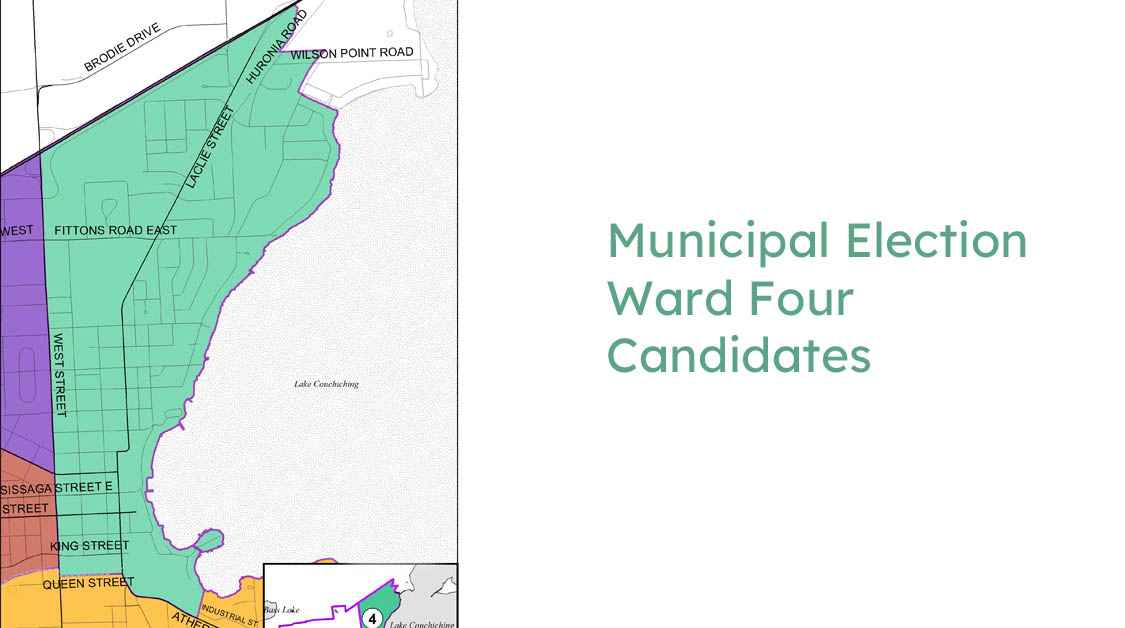
Ward Four Candidates
By John Swartz
SUNonline/Orillia’s municipal election coverage, as with all elections, publishes information about each of the candidates running for office. Election Day is October 26. All candidates were asked to forward a brief bio about their connection to Orillia, and paragraphs outlining two of their platform issues. We publish the responses as written with no editing, expect for obvious typos.
In addition they were asked to answer three questions and all responses were subjected to a word count limit. So let’s meet the Ward Four candidates.
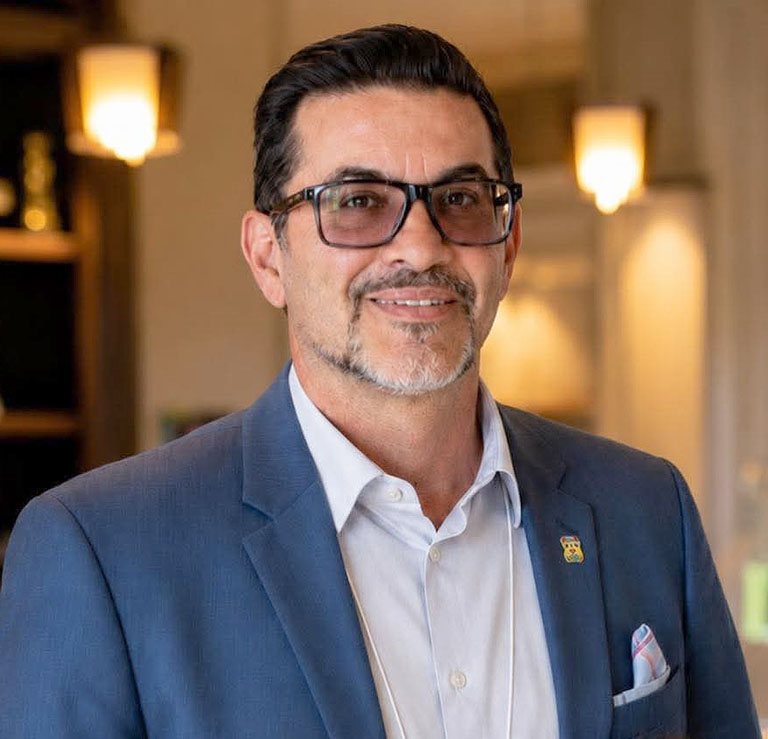
Danny Borzellino
Doug Cooper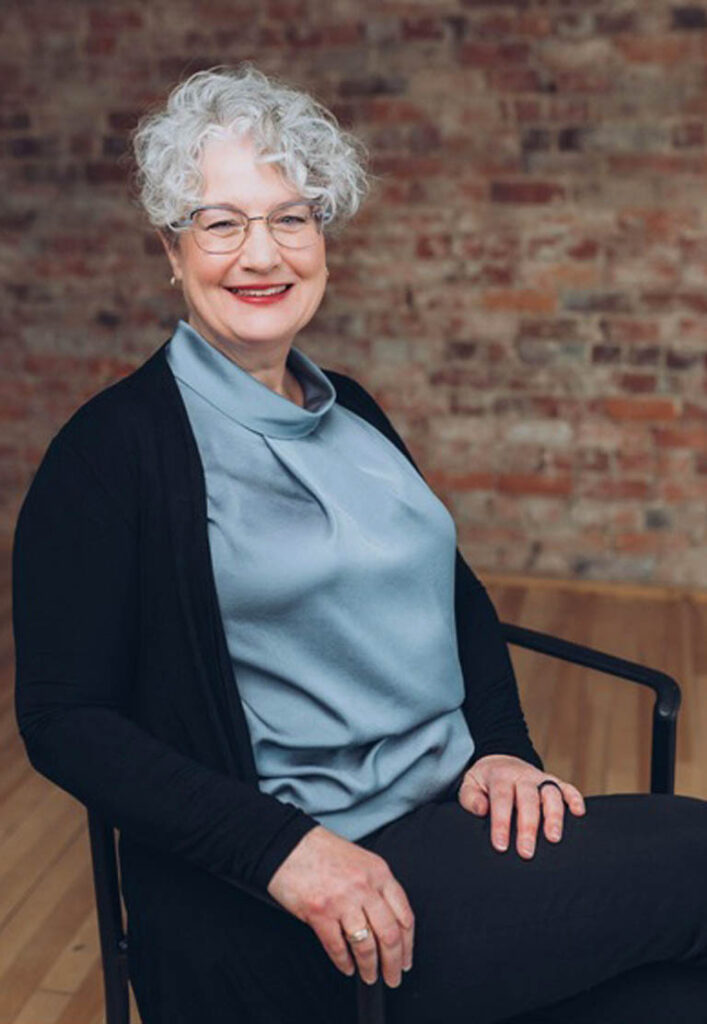
Janet-Lynne Durnford
Danny Borzellino: My name is Danny Borzellino. I hold a business degree from York University and credentials as a Civil Engineering Technologist (CET). Over my career, I managed substantial infrastructure and building projects across Ontario, including project managing the landscaping for the OPP Headquarters here in Orillia.
In 2018, a severe motor vehicle accident drastically changed my life, leaving me with permanent physical disabilities. Seeking a fresh start, I moved to Orillia in 2022 after purchasing the historic 109-year-old Grant family home on Laclie Street. Transforming that deteriorating structure into an energy-efficient home—reducing utility costs by 75% through smart retrofit programs—taught me firsthand the grit required to tackle complex local challenges.
Living with physical limitations in Ward 4 has shown me where municipal systems succeed and where they break down. I have experienced the hurdles residents face regarding accessible transit, active transportation policies, and municipal infrastructure maintenance—such as the ongoing updates along Laclie Street.
I am running for Orillia City Council because our city needs practical, common-sense leadership rooted in technical expertise and lived experience. Municipal government should focus on core responsibilities: accessible infrastructure, responsible fiscal planning, and creating a livable environment for every resident, regardless of age or physical mobility. My background in civil engineering technology and business equips me to analyze capital projects, question budget line items effectively, and ensure tax dollars are spent efficiently on long-term solutions rather than quick fixes.
Doug Cooper: Hello, I am Doug Cooper. I am the Doug from the “Vote for Doug” signs. I own and operate Provenance Butcher & Bottle Shop (Formerly Provenance Wine Bar). I moved to Orillia in 2021 and I grew up spending a lot of time in Waubaushene. I am originally from North York but I travelled a lot through my twenty’s. I am the Chair of the Downtown Orillia BIA, Chair of the Transportation and Parking Working Group and I’m on the Downtown Revitalization Working Group. I was also formerly on the Affordable Housing Committee.
Janet-Lynne Durnford: I’m Janet-Lynne, but most people call me JL. I’m running for re-election as your Ward 4 Councillor.
I moved to Orillia with my family when I was 8, and attended Orillia Central School, Marchmont PS, and Park Street Collegiate. I spent some of my formative years growing up on Penetang Street and Matchedash Street, and some in the Bass Lake area. We chose to return here after I finished university, and my husband Max and I have raised two adult children who have also chosen to live in beautiful Orillia. Since retiring (young!) from teaching elementary school, I have been a full-time City Councillor for Ward 4.
Before my time on Council, I was active in the arts community as an actor and improv comedy performer. I have served on the boards of the Orillia and District Arts Council (secretary) and Mariposa Arts Theatre, and co-founded Mosaic Productions, a theatre company that raised funds for Green Haven, Jubilee House, and OSMH. For several years I had great fun co-hosting ArtsScene Orillia, a local Rogers TV show.
During my term on Council, I have chaired the City’s Addiction and Overdose Crisis, Poverty Reduction, and On-Demand Transit Working Groups, and participated in several others. I have learned a great deal by sitting on the boards of the Orillia Museum of Art and History, Age-Friendly Orillia, and Inclusive Orillia.
When I’m not working, I love to garden, read, and spend time with my dogs and my family.
I’m running for Council because I love Orillia, and I’m invested in its present, and its future. I will continue to show up and do the work for residents of Ward 4.
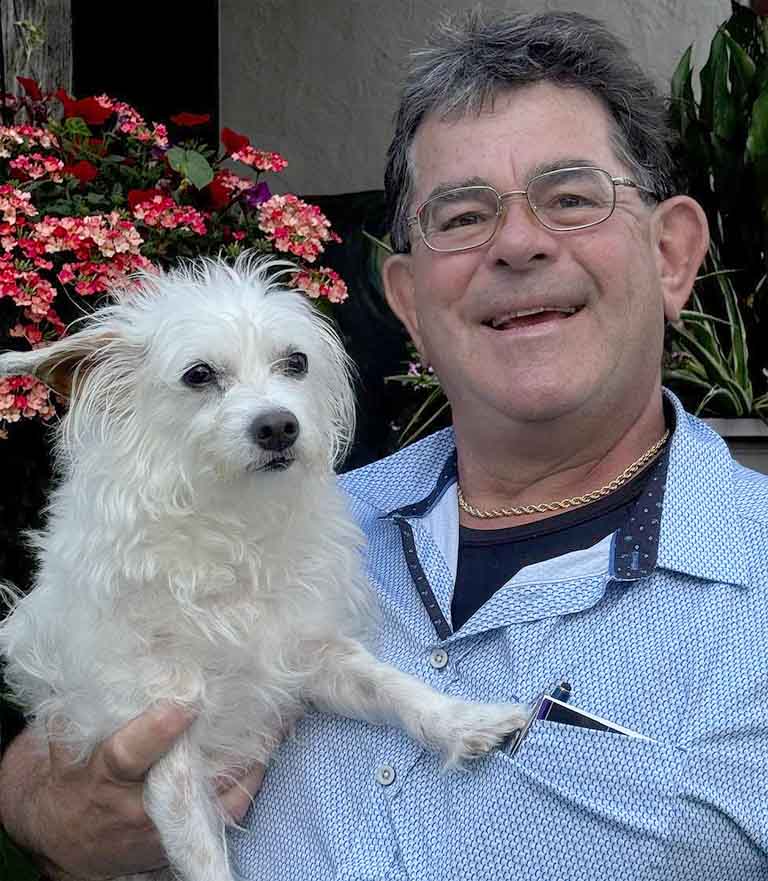
Andrew Hill: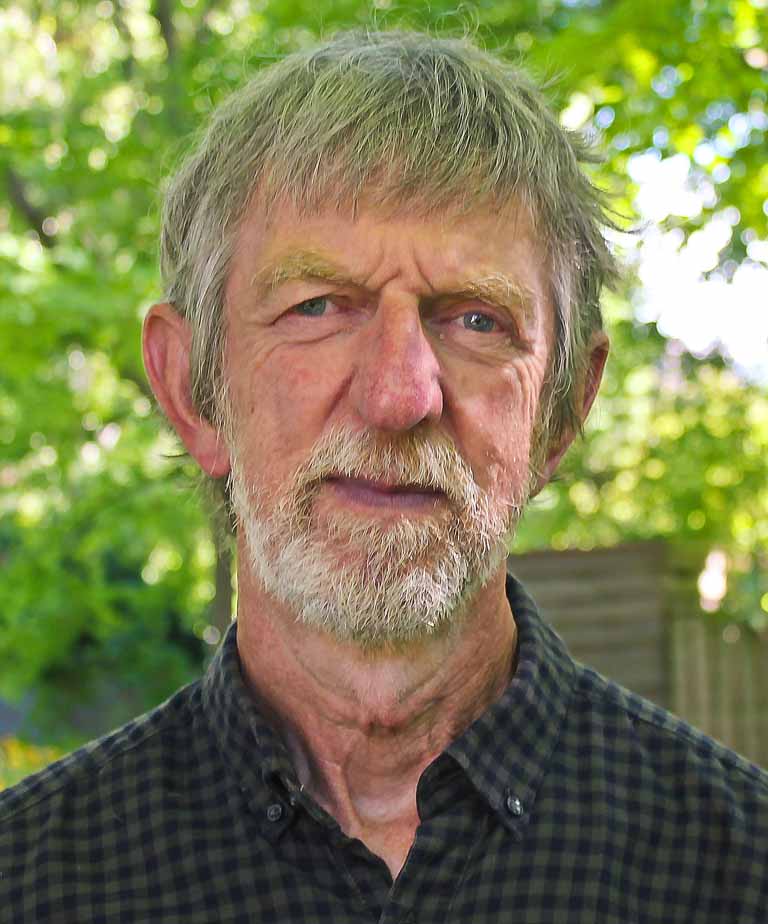
Tim Lauer
Andrew Hill: I was born in Orillia in 1966 and have spent my life in this community. Ward 4 has been my home for over 50 years and I am well versed on ward specific issues. My family has been part of Orillia’s story for more than a century, including a long connection to the local restaurant and hospitality business. I have owned, managed and been associated with many hospitality businesses in and around the Orillia area in my lifetime. I am currently employed with Casino Rama on a part time basis.
My wife Jen and I married in 1997, and we have three adult children. I received my primary and secondary education in Orillia and later studied Marine Navigation at Georgian College in Owen Sound.
I was elected to the city of Orillia municipal council for the term of 2010-2014. Where I served on 14 boards and committees during my tenure.
I am running to be your Ward 4 City of Orillia councillor as I believe Ward 4 is being left behind and ignored by our current council.
Tim Lauer: My name is Tim Lauer and I am a resident of Ward 4 and currently the incumbent. I am a lifelong independent contractor originally in the trades now in real estate part time. Over the years my involvement in all kinds of projects has given me an appreciation for just how much our quality of life here in Orillia has benefited from and is dependent on Community involvement. To that end I feel I have developed an ability to recognize the good idea, navigate the municipal process and provide the best opportunity for appropriate outcomes. More at tlauer.ca
Tyler Holmes: Despite numerous attempts to contact Mr. Holmes, no response was received.
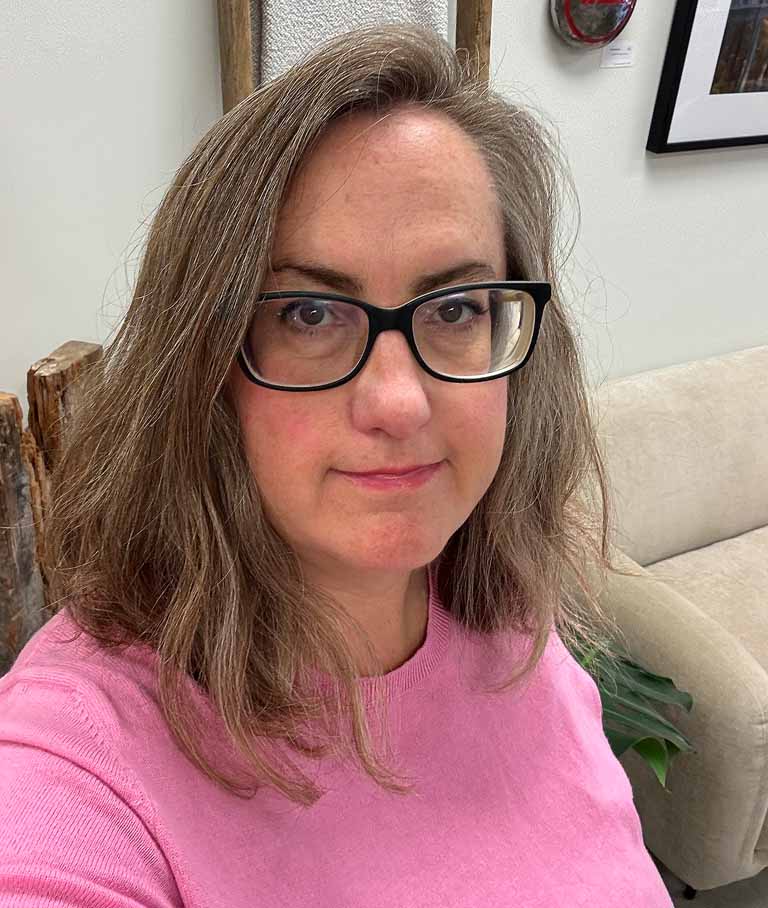
Maggie Ostler Best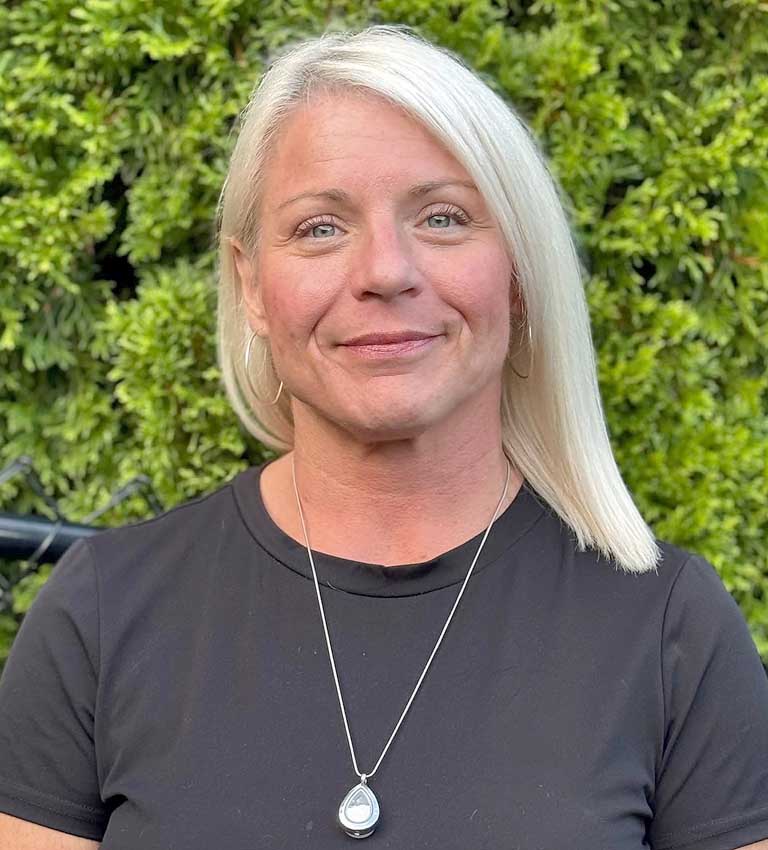
Paula Stewart
Maggie Ostler Best: My name is Maggie. We have lived in Orillia for ten years. I currently work at our home improvement supplies store and plan renovation projects. I have come to understand that my mission in life is for people to find peace at home, and that looks very different for everyone. For some, it means refining a layout that just doesn’t work and causes a proverbial or literal stumbling block. For others, it means finding safety and security. Being able to truly rest in a space means that you can go out and take on the world.
My previous work has been in property management and construction. I learned about asset management while working in the Northwest Territories, taking the available housing inventory and maximizing it for a short term project that increased housing demand by almost 5%; we successfully met that demand. Following that, I had the privilege of working for a small private property developer in London, ON. Again I learned about maximizing a property asset, and also giving back to your community.
Next up we moved to Alberta for a total of 12 years. While there I learned about municipal not-for profit housing while working at the City of Calgary. It was there I learned about a private landlord rent supplement program, and also managed a transitional housing program with successful results. At the same time, I managed a portfolio of mostly single family homes for a private owner, and was able to help them increase their holdings by almost 7x, by door count. Also while in Alberta, I was part of a small team that raised money for and built 32 homes in El Salvador, of which I was part of the construction team.
With my experience in property management, I applied to and was accepted as a member of the City’s Affordable Housing Working Group. I found there was a disconnect between the actions of that group and the mechanics of Council, so I resigned from that group with the intention to run for Council to have a more meaningful seat at the decision table.
Paula Stewart: My name is Paula Stewart (nee Burke). I was born and raised in Orillia and have lived here my entire 52 years. This is my home, and I have a real connection to this community and the people who live here. I have served as a Rotarian and I am a member of Ripple of Kindness and Orillia Business Women’s Association.
I own Raw North, a pet supply store on Laclie Street, as well as Stewart Flooring Co, a flooring installation company. Before becoming a business owner, I spent 15 years in banking, working in management and as a Senior Business Financial Advisor. Finance has been a big part of my career, and I understand budgets, responsible spending and the importance of making decisions with long-term consequences in mind.
One of the biggest reasons I decided to run for Council is to address the challenges of homelessness, community safety and clean streets.
Homelessness has become a serious issue in Orillia, and I believe we need to approach it with compassion while also recognizing the impact it is having on our community. People who are struggling need support and real solutions, but our residents and businesses also deserve to feel safe in their neighbourhoods, parks and downtown.
Public safety is one of my biggest priorities. I want to be part of finding practical solutions, asking difficult questions and making sure residents feel heard.
Issue Number 1
Danny Borzellino: Practical Infrastructure Modernization & Smart Energy Retrofits. Orillia’s aging infrastructure demands proactive, technically sound management. Drawing from my civil engineering technology background and personal experience retrofitting a century home, I advocate for integrating modern energy efficiencies into municipal buildings and private housing initiatives. Council must streamline local planning processes so residents and businesses can easily leverage federal and provincial green energy grants. Furthermore, capital projects like street reconstruction must be executed on schedule, on budget, and with minimal disruption to local neighborhoods. Modernizing our city infrastructure reduces long-term operational costs, protects taxpayers, and ensures sustainable growth.
Doug Cooper: The mechanisms of our municipal government. I believe that we need to be better organized and focused during the next four years. If elected, I would like to set our priorities with intention and community involvement. From there I want to create committees around each priority and have them routinely report to Council. I would also push to weigh our Council decisions against our agreed upon Council directions. In my opinion this keeps staff organized and provides the community with a clear direction.
Janet-Lynne Durnford: The polycrisis: affordability, housing, mental health and addictions, toxic drug supply, community safety.
Municipalities bear the social and economic impacts, but have almost none of the tools – or the funds – to fix these systemic crises. But we must not abdicate responsibility.
All of the data shows that investing in prevention is far less expensive than enforcement.
We must maintain pressure on other orders of government to fund evidence-based solutions: supportive, affordable, and social housing; coordinated access to detox and treatment; and income supports, particularly for ODSP recipients.
I co-chaired the Addiction and Overdose Crisis Working Group, and secured federal funding to create a hyper-local solution: the Community Connection Hub. The Hub is a pilot project that provides one-door, in-person access to social services such as substance use and mental health supports, primary care, legal and court services, and basic needs. It supports – rather than duplicates – the work of partner service providers.
Andrew Hill: My neighbours and I have had many conversations on how Ward 4 seems to be ignored by our council. Mainly Laclie St. This street should have been completed years ago and the improvements stop just North of North St.
We in the North feel like we are not being listened to as we still have to drive on one of the worst streets in Canada as published by the CAA magazine for many years.
Also our lane painting does not happen until mid August at best, which needs to be brought back “in house” with city employees who actually know where the lanes to be painted actually are.
Tim Lauer: The homeless issue is top of mind and is addressed in Question 3.
I am also greatly concerned with Strong Mayor Power. Municipal government is the closest to the people and has always relied on a strong local democratic process. Strong Mayor Power along with many other pieces of Provincial planning legislation are destroying that tradition. Orillia must elect a Council that has no interest in using Strong Mayor Powers and looks to return administrative oversight, budget control and planning authority back to the collective wisdom of Council.
Tyler Holmes: No response was received.
Maggie Ostler Best: Housing – While there is a role at City Hall identified as Housing Coordinator, the primary scope of that position is dealing with creating affordable housing. I would suggest that there needs to be a broader scope of understanding the need for what kinds of housing units are needed and creating call outs to everyone who could provide those, including non-profits, homeowners who want to add units to their own property, small developers, private landlords, and big developers. Primarily the focus is now on non-profits and big developers. We can see from the new development on the west side of the highway that starts are low in that new development where the only products are townhouses and two storey detached homes. There is a clear accounting of how many new homes will be needed based on expected population increases but less breakdown by demographic. Encouraging more diversity in housing products by looking at Orillia’s changing demographics and creating a clear call out would be helpful.
Paula Stewart: Public Safety and Homelessness. I believe we need to address homelessness with compassion, but we also need to make sure our residents, businesses and visitors feel safe. We need real solutions that connect people who need help with the right services, while addressing public drug use, crime and unsafe behaviour in our community.
Issue Number 2
Danny Borzellino: Accessible Mobility and Inclusive Municipal Policy. A truly thriving community ensures every resident can navigate city streets safely and independently. Current municipal frameworks often fall short for individuals using personal mobility devices, e-bikes, or scooters, creating grey areas that restrict independence. I will advocate for clearer, modernized municipal bylaws and updated road/trail design standards that safely accommodate micro-mobility and assistive transportation. Accessibility shouldn’t be an afterthought in municipal planning—it must be a foundational requirement for all public infrastructure, sidewalks, and transit decisions.
Doug Cooper: Food Access/ Housing, this is kind of two issues but the two are interconnected. I believe we need to be more proactive in both areas. I want to continue working with the Sharing Place on creating a Food Access Hub. This allows farmers the ability to consolidate their produce in one location and provide our community access to nutrient dense, local, inexpensive food. On housing, I would like to look at our City with City staff, agree on which type of housing we would like where and then approach those developers or not for profits and figure out ways to help them get moving.
Janet-Lynne Durnford: Core Municipal Responsibilities: roads, sidewalks, water, stormwater, snow clearing, waste management; parks & recreation, libraries & culture, economic development
Our infrastructure and services are facing pressure from growth, development charge reductions, rising costs, and aging infrastructure.
There are five principles that I believe should guide our budget decisions:
Invest in Prevention and Maintenance: Preventing problems is less expensive than responding to crises.
Pursue Partnerships and External Funding: Municipal governments cannot solve every challenge alone.
Protect the City’s Assets: These are investments made by previous generations – it’s up to us to maintain them.
Growth Should Pay for Growth: New development and the province must contribute fairly toward the infrastructure needed to support that growth.
Focus on Results: Good budgeting is measured by outcomes. I will approach every budget decision with the same question: will this investment make life better for residents, strengthen our community, and create long-term value for Orillia?
Andrew Hill: Winter maintenance has fallen behind reasonable expectation levels and need a review and update of city policies.
These and other city core issues like strong fire protection, roads and side walk repairs, garbage collection, winter maintenance, traffic calming measures and parks are what Ward 4 residents are concerned about not receiving the attention they deserve.
Tim Lauer: The second issue I would like to focus on in the coming term is service levels.
We have moved to a very aggressive road resurfacing and sidewalk replacement program and it would be my hope that there would be no let-up in the next term.
Snow removal is another service we need to continually monitor. I am not a fan of just throwing money at the problem and would like to see us examine current levels of service for potential improved efficiencies.
Also think we need to examine our social service levels. We pay Simcoe County $8.4M a year for our social services- this is a sole sourced contract and I am not convinced that we are giving that account the oversight it deserves.
Also believe we need to take another look at our customer service protocol. I sense a degree of customer frustration that needs addressing.
Tyler Holmes: No response was received.
Maggie Ostler Best: Transparency – I am admittedly a politics nerd. I like to watch the Council meetings online, and I like to dig into the reports and follow the goings on. But here are two specific issues that I cannot find much info on. First one is the construction on Laclie Street. On the City’s website under the Construction Projects tab, Laclie Street is noted as being in Phase Two, between Fittons and Stanton Dr. I keep hearing from locals that they want to know when it’s going to be done. I believe there could be more information provided to help people understand better. The second one is the culverts, and who is responsible for paying for their replacement. It seemed to come as quite a surprise that property owners are responsible. To me, the issue is not the “who”, it’s the surprise. This is a costly expense that should not be shrouded in mystery until it becomes an issue for a property owner.
Paula Stewart: Responsible Spending and Accountability. With my background in finance and business, I believe every tax dollar matters. I want to see responsible spending, better planning and decisions that make sense for Orillia today and for our future.
SUNonline/Orillia Question Number 1
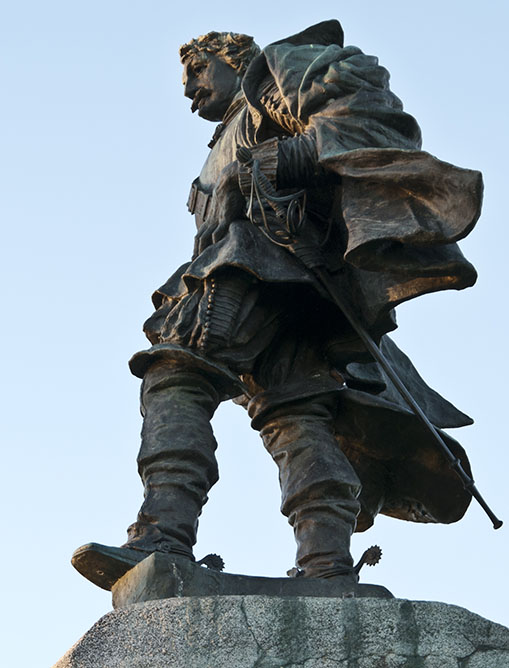
All candidates were asked for their position regarding the Champlain Monument. This is perhaps the most obvious and frequent topic of late. SUNonline/Orillia would not normally ask about anything that is an ongoing community debate, instead of topics we think should be the attention of the public, but we are curious if any candidate has an argument that does not rely on an emotional response.
Danny Borzellino:
The debate over the Champlain monument requires a balanced approach focused on constructive heritage management rather than emotional division. From an objective standpoint, public art and monuments serve as historical markers that reflect complex eras. Rather than treating this as an all-or-nothing proposition, the city should view the site through an educational lens.
My proposal is to retain historical elements while enhancing contextual interpretation. By utilizing modern, unobtrusive signage and digital educational tools, we can present a complete, multi-perspective history that respects both Indigenous heritage and early settler history. This approach avoids recurring capital expenditures on removal or re-installation, satisfies heritage preservation principles, and transforms a point of debate into an educational asset for residents and visitors alike.
Doug Cooper: I’m open regarding the monument. My sticking point is the proposed cost of restoring it ($750,000- 1,000,000). That is an incredibly large number that can be much better deployed in other parts of our municipality. We simply aren’t in a million dollar statue economy at the moment. I believe that by creating a working group with the right partners we can land on a better result. Involving Rama First Nations, the Federal government and other partners will yield a better design and also may provide access to alternative funding.
Janet-Lynne Durnford: There can be no action on the Champlain Monument without significant and meaningful action toward Reconciliation. Reconciliation is relationship. It will take time, intention, and sincerity to rebuild the relationship with Rama First Nation and other Indigenous nations and organizations. It cannot be rushed.
I am in support of placing the bronzes back in Couchiching Beach Park if three conditions can be met:
- As part of a broader Reconciliation Action Plan
- An educational focus on local Indigenous Peoples, first contact, and the impacts colonialism
- Consultation with Indigenous partners and rights holders according to an Indigenous / Municipal Relationship Agreement (i.e. Friendship Accord)
Andrew Hill: I grew up with the Champlain monument and climbing on it; my kids grew up with the Champlain monument climbing on it, and all along our understanding of the monument was to celebrate the loving and mutually beneficial relationships between the French settlers and the Hurons.
Then, over just the past 10 or 15 years where we’ve all been awakened to the horrors of residential schools and children being stolen from their parents and needles deaths of indigenous people; Now that we have Truth, it is time to Reconcile.
It’s not up to me as a resident of Orillia or even if I were an elected member of council to decide the monument and how it returns if it does return. The answer is with our indigenous neighbours, and if we can reconcile Truth and History.
Tim Lauer: I’m not sure how this issue can be discussed without emotion. Recent events would indicate that there are many folks both indigenous and non-indigenous who are emotionally invested in this issue.
Ownership of the monument and the land it sat on is now in the hands of the City. Last Spring after much discussion, Council decided that the time was not right to pursue the Champlain initiative any further and that the appropriate thing to do, given the sensitivities that existed on all sides, was to put the statue in storage and refer the issue to a more appropriate time in the future. I agree with that direction and look forward to a time when constructive discussions can take place that include all parties.
Tyler Holmes: No response was received.
Maggie Ostler Best: My position on the Champlain Monument is to leave the plinth empty with the exception of adding a plaque denoting it as The Monument and that it outline the activities in the Summer of 2026, thereby leaving it up to future generations to draw their own conclusions about the kind of society that formed Orillia at this time.
Those activities would include the creation of a working group without resolution; the surprise return of the monument without advisement to Council or Staff by the mayor; the action by and peaceful submission to police of Ms Krystal Brooks who marked the statue, “Rama said no”; the national attention that brought the Dominion Society to Orillia and invitations from other governments to purchase the statue and its parts; the consequential removal of the statue back to neutral storage.
This is not a washing of history. History was made this summer. This is my recommendation of marking this point in time.
Paula Stewart: I believe we need to stop going in circles and find a respectful resolution. We can recognize the historical significance of the Champlain Monument while also ensuring Indigenous history and perspectives are properly represented. We don’t have to erase history to acknowledge that there is more than one side to it. Listen, make a decision and move forward. That is what leadership is supposed to do.
SUNonline/Orillia Question Number 2
Candidates were asked for their proposals regarding economic development, in the context of a new direction taken in 2014 – but not fully utilized, and international developments that could mean many more manufacturers who may establish, or expand production of goods here in Canada while they may have little or no capacity at the current time. In short, what is the plan to get ahead of the curve in a changing economic climate?
Danny Borzellino: Orillia can attract light manufacturing and green-tech employers by positioning itself as a regional hub for energy-efficient innovation and sustainable trades. Past proposals focused heavily on generic commercial zoning or traditional industrial parks without capitalizing on emerging economic trends.
My proposal focuses on targeted incentive programs for clean-technology manufacturing, paired with streamlined municipal permitting for adaptive re-use of commercial properties. Evidence from municipalities adopting green-development corridors shows that businesses prioritize regions with modernized grid infrastructure, clear retrofitting frameworks, and skilled trade pipelines. By offering municipal property tax matching for clean-tech capital investments and partnering with Lakehead University and critical mineral supply chain, specialized technical labor, Orillia can give manufacturers a concrete financial reason to locate here, as a halfway point between the ring of fire and Toronto.
Doug Cooper: I believe that here are plenty of opportunities for growth in Canada and there are many great employers operating in Orillia. I believe that our economic growth is dependent on a diverse and resilient economy. We need to support our small and medium businesses. Retaining them, helping them grow, employ more people and be sustainable needs to be a priority. We are in an active trade war with our largest trading partner. Diversifying our economic reliance is important to the future success of Orillia. I have lived in communities that rely on a large employer and it’s very precarious. I believe in building out a diverse business community that employs locally and is sustainable. This creates resilience and reduces our downside if an employer chooses to leave.
Orillia has a well educated, healthy and hard working population. We provide goods and services that are sought after locally and internationally. There are a lot of great things happening here, we need to continue to nurture those opportunities and help them grow.
Janet-Lynne Durnford: Communities thrive when they create the cultural, employment, service, and infrastructure conditions that attract and retain businesses and employees. We want people to want to live and work here.
- Invest in revitalization of the Downtown
- One Orillia: improve cultural and physical connections between West Orillia and East Orillia
- Create and maintain active transportation links and discounted transit rates, ensuring that people can get to work efficiently and affordably
- Support mixed-use zoning to allow people to live where they work
- Work with community partners at every opportunity, including Lakehead University arts organizations, and social service providers
- Continue to support and invest in recreation, arts, and culture
- Create an Economic Development Working Group to work alongside City Ec Dev staff, with a focus on attracting and retaining employers.
- Maintain and improve key city infrastructure that supports business
- Explore assembly of employment lands within the new city boundaries
Andrew Hill: I served on the economic development committee when I was on council and we brought forward the recommendation to have the industrial development charges waived for new buildings. I remember that Kubuta took advantage of this program and expanded their footprint on the Commerce Road facility with added facilities and employees. I understand that initiative concluded in 2022. This is something that should be explored once again.
Tim Lauer: First of all we need development land – either our own or in partnership with the surrounding townships. Currently we have very little and what we do have is not being managed well. If a significant employer came knocking on the door we would not, in our current state, be able to accommodate them. Boundary expansion is years off but there is nothing precluding us from developing specific agreements for industrial land.
In my opinion we also need to reconstitute some form of an Economic Development Committee. Some of our most significant economic development wins came out of the previous committee structure – think Lakehead, Teletech, Waterfront.
Nimble targeted economic development that can bring in new or develop existing is in my opinion the best investment of time and money. A committee made up of Council, community leaders and staff could make that happen.
Tyler Holmes: No response was received.
Maggie Ostler Best: I will use Markham’s Chapman’s Ice Cream to explain my position on this, including the current tariff regime impacting our entire country’s economic development. They have replaced 70% of their US supply chain with a combination of Canadian made products and those from other countries. Specifically, they have partnered with Original Foods in Dunville, ON to purchase a cone oven, which will now make Chapman’s the only ice cream company in Canada to be 100% Canadian cone. This partnership frees up Chapman’s dependence on US supply and creates new opportunity for Original Foods.
Starting with Orillia companies, what parts of their supply chain are American, and what Orillia companies are providing a Canadian solution. In our current economic climate, this must be a priority and the City along with their regional economic development counterparts and Chambers of Commerce can have a clear outline of offerings and needs. They can champion both of these and bring new opportunities to the existing Orillia market.
Paula Stewart: Orillia needs to stop waiting for opportunity and start going after it.
We have a great location with highway access and the potential to attract manufacturing, investment and good pension paying jobs. I want us actively approaching businesses to help expand Orillia. We need to make Orillia a place where businesses want to invest and grow.
With steady growth, proper housing and community safety we can attract more new doctors and their families to Orillia to put roots in the ground.
As a business owner with 15 years in finance, I understand what businesses look for. Nothing changes if nothing changes. I believe Orillia is ready for some fresh thinking and a more proactive approach.
SUNonline/Orillia Question Number 3
The state and scope of homelessness is not something of Orillia’s making; other levels of governments bear responsibility by way of legislation, regulation and lack of using the tools available to get corporations to play ball. Yet, those levels of government are comfortable leaving municipalities to clean up the mess when municipalities do not have the financial and human resources to do much of anything. Governments in other countries have solutions that appear to stick and work, what do you know of them? So, what are you willing to do to put pressure on higher levels of government for meaningful change?
Danny Borzellino: Municipalities cannot solve systemic homelessness alone using property tax revenues, but we can lead through structured policy models. Successful international frameworks – such as Finland’s “Housing First” model – demonstrate that providing permanent, stable housing with integrated social supports significantly reduces emergency service costs and long-term homelessness.
To compel action from Ottawa and Queen’s Park, Orillia must partner with Simcoe County and neighboring municipalities to present unified, data-driven funding proposals. I will advocate for Council to condition local planning approvals for major developments on affordable housing ratios, while simultaneously leveraging these local investments as leverage for matching federal housing grants. We must present higher levels of government with fully engineered, shovel-ready supportive housing projects, making it politically and economically straightforward for them to release capital funding.
Doug Cooper: I believe that at the Municipal level if we just focus on homelessness then we are simply going to debate building more shelters or more prisons. We as a municipality don’t have the funds to address the larger macroeconomic issues of homelessness. This isn’t a problem that is unique to Orillia, this is an issue that most municipalities across North America are facing.
Homelessness is an economic issue. As a municipality there are things that we can be doing to reduce the impacts and change the tide. At any given point in time there are a few hundred people that are homeless, living rough or in the shelter system in Orillia. There are thousands of every day citizens that are at risk of falling into homelessness in Orillia.
My intention and focus during this term of council is to help prevent those people from sliding into homelessness. I believe that if at the municipal level we are able to reverse the tide of people slipping into homelessness then we will see progress. We obviously need to be a partner and assist with the acute homelessness issue but that primarily involves creativity and lobbying the other levels of government. As a Councillor, I want to help the thousands of people that are a missed paycheque away from being in a bad position. That comes from providing better access to food at better prices and helping increase the housing inventory to reduce the inflated rent costs. Rental units are very high in demand which keeps the prices high. We need to intensify and increase the inventory to create more competition and bring the prices down to a more reasonable place.
Janet-Lynne Durnford: The solution to homelessness is housing. Housing is a provincial and County responsibility, but the City cannot abdicate shared responsibility. Housing First is not only effective and compassionate, it is less expensive than enforcement, shelter, and emergency admissions. We don’t need more shelter beds – we need housing.
The City must:
- continue to work with the County, the province, and the federal government to seek funding to create more social, bridge, supportive, and affordable and attainable housing.
- Ensure that we are meeting all necessary conditions to receive the full $4.5 in federal Housing Accelerator grant funding, to be used to incentivize new affordable housing development
- continue annual contributions to the Affordable Housing Reserve, and consider broadening applicability to private developers.
- Continue to seek out and work with not-for-profit affordable housing developers such as Sionito Group and Redwood Park Communities
- Streamline the process for homeowners to build Accessory Dwelling Units
Andrew Hill: Orillia already sends taxpayer funds to the County of Simcoe for affordable housing, social assistance, long term care and other programs under the Human Services Committee of Simcoe County.
We cannot duplicate the services already in place and managed by the County.
I do believe that municipalities are not just being overwhelmed by the homeless issue but there is also the drug problem that is definitely very visible, especially in the downtown core.
This is not an Orillia only problem but a Canada wide concern in every municipality.
We need strong elected councillors to stand up for taxpayers who fund these programs on these committees to direct the committee staff to explore alternatives to the real issue of homelessness and drug addiction.
Tim Lauer: I believe we need the Provincial and Federal governments to come up with an overarching strategy that addresses housing, substance use, domestic violence, the court system and the availability of wrap-around services. This in my opinion is the missing link and until that critical piece is provided we are all swimming upstream.
Locally – where things remain reactive – we wait for that strategy. While we do, we need a template that anticipates what we know is coming each spring and prescribes recommended and predictable responses.
Important to remember that homelessness in fact is the responsibility of the County- part of a service we paid $8.4M for this year. With that in mind I would like to look at the idea of having a dedicated contract position that would monitor that $8.4M expenditure on an ongoing basis. I believe it would save us money and lead to a much more accountable and goal oriented social service.
Tyler Holmes: No response was received.
Maggie Ostler Best: Scandinavian countries have accepted the Housing First model, which seems to have the most success, specifically including wrap around supports. This supports both communities of people – those that need to get back inside and then seek a permanent housing solution, as well as those dealing with a health issue, including mental health and addiction.
I have seen the Housing First model both succeed and fail, largely dependent on the wrap around services and how available and how helpful they are.
There are clear metrics to demand better provisions to higher levels of government that require a spend now to save later policy. For example, the cost of an overnight stay at the hospital emergency is $1500 compared to a month of rental subsidy is $900 (sourced from the October 6, 2025 council meeting). These must be clearly stated with also clear demands ie “we need $xxx to accomplish x and if $xxx is spent now, it will save more in >time frame<.
Paula Stewart: Homelessness and public safety are two issues we cannot keep putting band aids on. This is non-negotiable.
People struggling with homelessness, mental health and addiction deserve real help, including housing and access to treatment. At the same time our residents and businesses deserve safe streets, parks and neighbourhoods.
Municipalities cannot solve this alone. I will push the provincial and federal governments for the resources we need and expect accountability for how that money is spent. I will go to other municipalities to see what is working for them. I’m ready to walk the mile for Orillia!
We need compassion, accountability and measurable results. What we are doing isn’t enough. It is time to do things differently. It’s time for a change!
Casting Your Vote
Voting has already begun. There are advance polls at the Orillia recreation Centre October 14 from 1 to 7 p.m. and October 16 from 10 a.m. to 4 p.m. The West Orillia sports complex has advance polls October 20 from 1 to 7 p.m. and October 22 from 10 a.m. to 4 p.m.
Election Day is October 26 and polling stations are open from 10 a..m. to 8 p.m. at the following locations:
Ward 1 at the Gill Street community Complex
Ward 2 at the Orillia Recreation Centre
Ward 3 at the West Orillia sports Complex
Ward 4 Simcoe County Community Hub, 250 West Street North
Comment
Mayoral Candidate Steve Clarke
Mayoral Candidate Whitney Smith
(Photos Supplied)