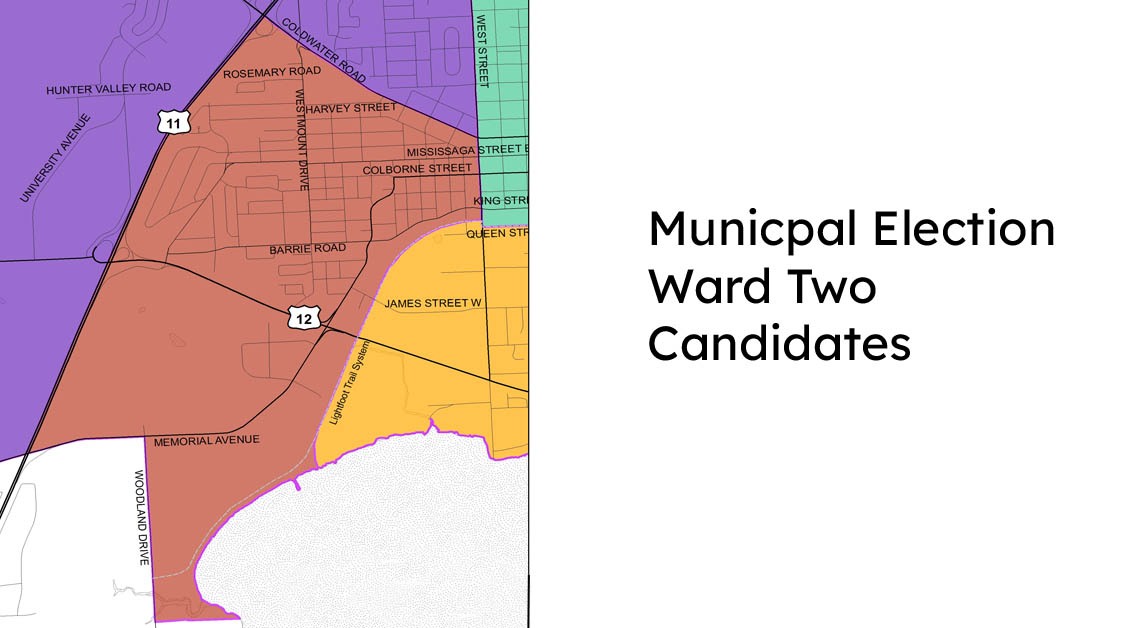
Ward Two Candidates
By John Swartz
SUNonline/Orillia’s municipal election coverage, as with all elections, publishes information about each of the candidates running for office. Election Day is October 26. All candidates were asked to forward a brief bio about their connection to Orillia, and paragraphs outlining two of their platform issues. We publish the responses as written with no editing, expect for obvious typos.
In addition they were asked to answer three questions and all responses were subjected to a word count limit. So let’s meet the Ward Two candidates.
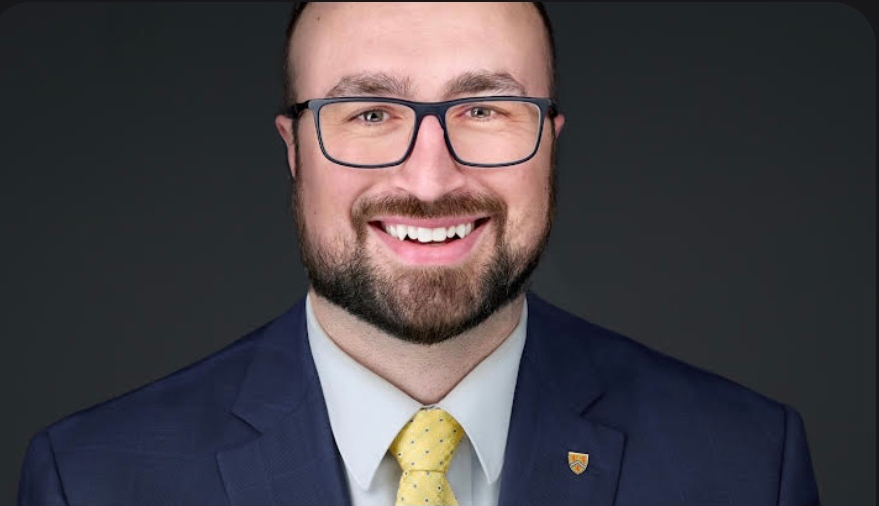
Mason Ainsworth 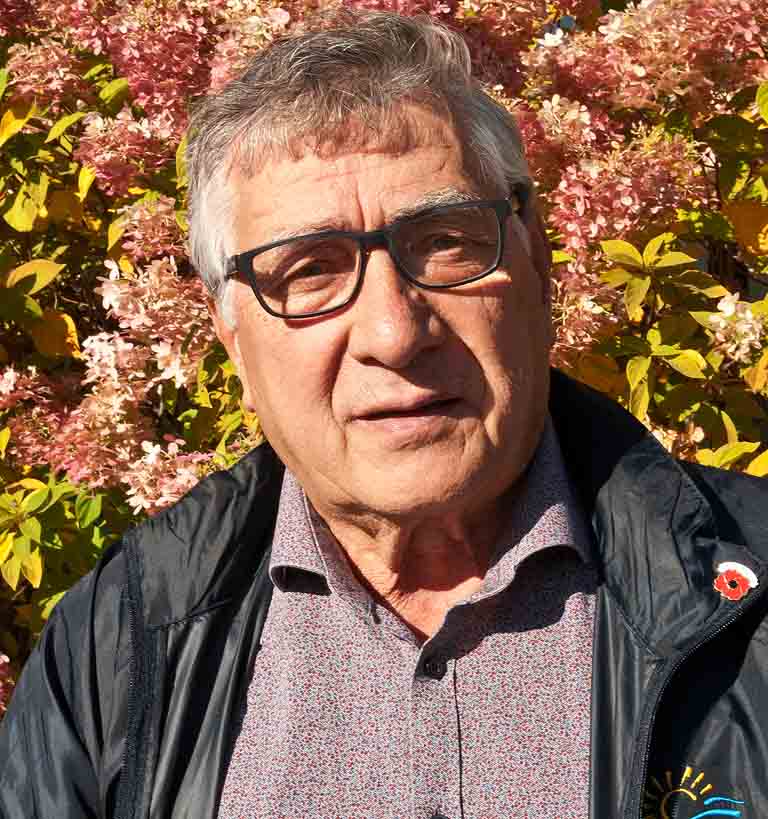
Ralph Cipolla
Mason Ainsworth: My name is Mason Ainsworth, and I am approachable, accountable, and hard-working. My family has called Orillia home for more than five generations, and I have lived here for over 30 years, more than 20 of them in what is now Ward 2. I grew up at 252 Barrie Road, at Fellowship Towers, then on Mackenzie Street. I’ve used transit as my main way around, lived in a shelter, and used a food bank. I know what it is to struggle, and I know it can get better.
My wife and I have two boys, Seth and Lincoln. I am an economic development professional. I have worked for the Ontario Business Improvement Area Association (OBIAA), the Ontario Chamber of Commerce, and the Ministry of Colleges and Universities. I hold a Master’s in Economic Development and Innovation from the University of Waterloo and host the Hyper Local: Economic Development in Ontario podcast.
I served two terms on Orillia City Council from 2014 to 2022 and have proven results. I also served on the Association of Municipalities of Ontario Board and the Ontario Small Urban Municipalities Executive. I have volunteered with the Terry Fox Run, Canada Day, and Building Hope, and served with the Orillia and Area Community Development Corporation, Couchiching Jubilee House, and Toastmasters. I am a Rotarian and sit on the Orillia and District Chamber of Commerce Board.
When I was first elected, I represented much of today’s Ward 2. I am running again because this area needs follow-through. Residents want someone who answers the phone, supports the new hospital, and gets results on the basics: sidewalks, snow removal, parks, and sites like the old Mount Slaven school. We need to support law and order, treat people with dignity, and get results.
Ralph Cipolla: I am a life-long resident and business owner of the City of Orillia. I have, along with my wife Dianne, operated CC Fashion in Orillia’s downtown for 51 years. I constructed Collegiate Court in 1979 and operated Carmine’s Dining Lounge for many years. I attended Park Street Collegiate Institute.
I have served 7 terms on council, over 24 years, and was elected as councillor in Ward 2 from 2003-2010 and 2014-2026 and was elected in 1977 becoming Orillia’s youngest councillor. During the past term I have been an advocate to implement affordable housing in Orillia. I am a member of the Rotary Club of Orillia and a key volunteer and supporter of the Mariposa Folk Festival since its return to Orillia.
I am a lifelong learner who enjoys working with local organizations and agencies to ensure that Orillia is on the cutting edge and ensuring a healthy and safe community that is instrumental in leading our next generation.
I am running to make Orillia safer and work to start the hospital sooner rather than later. No more delays. Support our seniors to make sure they have affordable housing. Supporting people that need affordable housing. Expanding Lakehead university and keeping taxes affordable.
I have volunteered with many community initiatives including: Former President of Rotary Club of Orillia, Founder of St. Bernard’s Breakfast Club, President of Elizabeth Overend Non Profit Housing Inc., Founder of Orillia Perch Festival, Founder of Orillia Jazz Festival and a Board Member of Orillia Soldier’s Memorial Hospital,
I have also received several commendations for my community service including: Recipient of Canada’s 125th Anniversary, Medal for Community Service., Recipient of the Ontario Medical Association Service Award and the Queen’s Platinum Award Winner for Community Service.
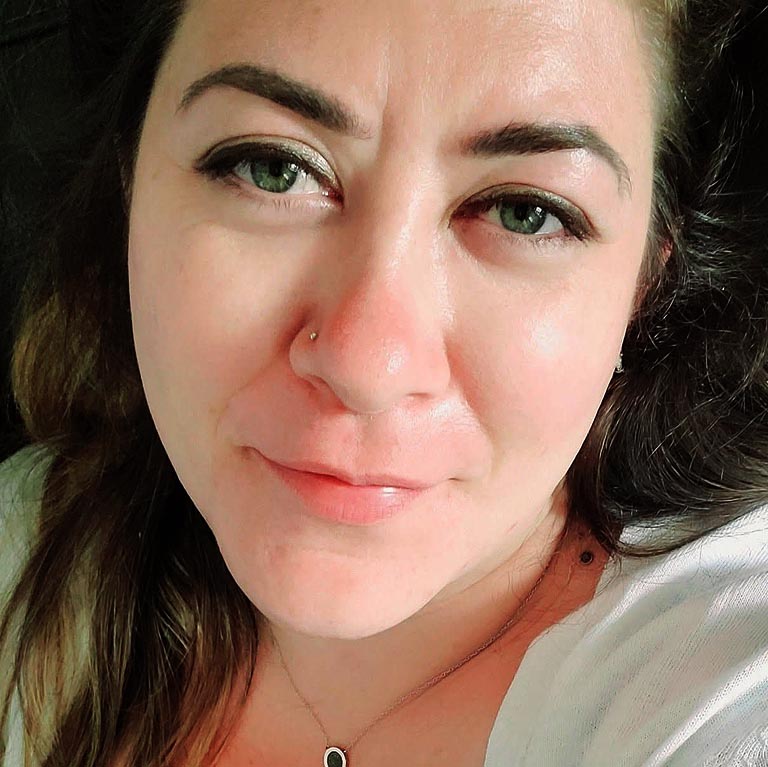
Shandell Conboy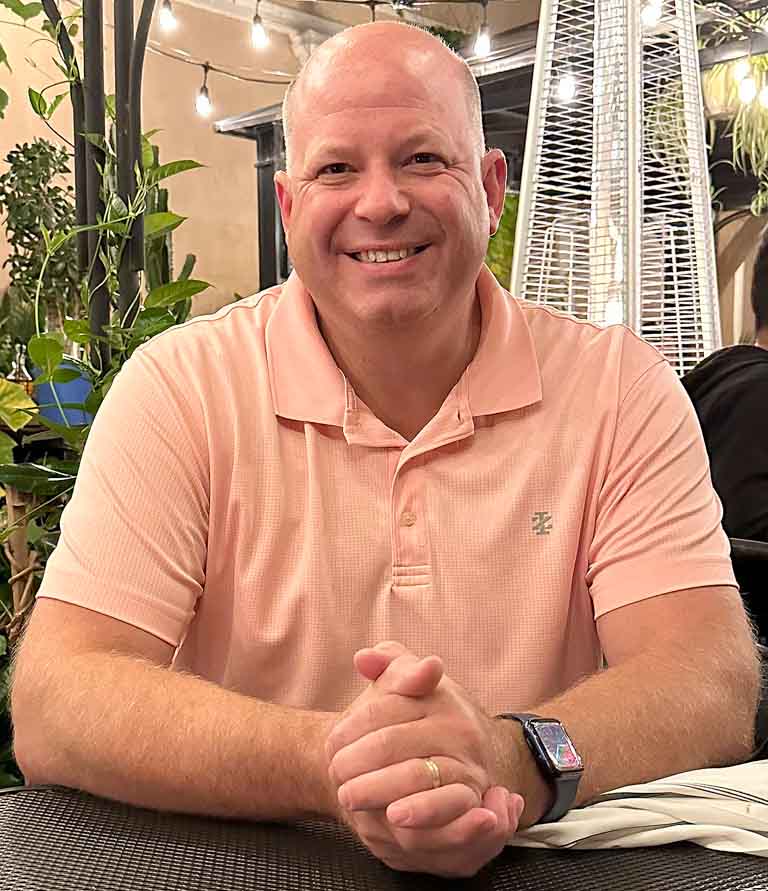
Rob Kloostra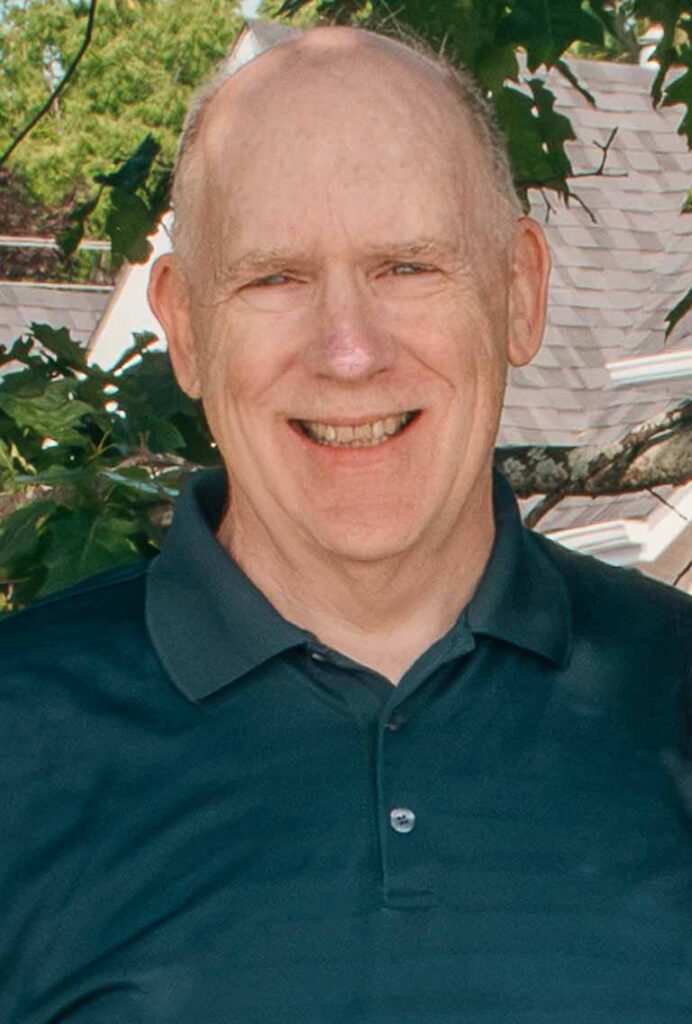
Duncan McDonald
Shandell Conboy: Professionally, I work at Bayfield Lincoln as a Lincoln Concierge and Lease Renewal Specialist, where my role is centered around people, communication, problem-solving and providing a positive experience. My career has always been customer-focused, and I believe those skills translate directly into public service: listening, understanding different perspectives, finding solutions and treating people with respect.
My community involvement has been an important part of my life. I have served on the City of Orillia’s Accessibility Advisory Committee for approximately four years and have had the privilege of serving as Chair for the past two years. Through that role, I have worked alongside residents, City staff and community partners to identify barriers, improve accessibility and help move our community toward being more inclusive. I also previously served for years on the Ajax Accessibility Advisory Committee, gaining valuable experience in advocacy, collaboration and challenging the status quo when something can be done better.
So, why am I running for City Council? Because I care about where we live, and I believe residents deserve a voice that listens, asks questions and is willing to look at things differently. I’m not a career politician, and I don’t come with a personal agenda or longstanding political connections. I’m coming forward as a neighbor, a working woman and a community volunteer who believes in transparency, accountability, accessibility and responsible decisions. I’ve worked hard to become more than someone who simply lives here – I’ve become someone who is invested in this community and wants to help make it better.
Rob Kloostra: My name is Rob Kloostra, and I am running to return as one of Orillia’s Ward 2 councillors.
I previously had the privilege of representing Ward 2 for eight years, from 2014 to 2022. That experience taught me that being a councillor is about much more than attending meetings and voting. It means answering the phone, doing your homework, understanding budgets and staff reports, asking difficult questions and helping residents navigate City Hall.
My wife and I have lived, raised our two sons, operated businesses and volunteered extensively in this community. I am VP of Happy at Home Support Services, a local home-care agency serving seniors and families throughout our area.
Community service has always been important to me. I am currently a board member of the Orillia District Chamber of Commerce and Chair of Celebrate Orillia/Canada Day. I have also been involved with Rotary, Charity Auctions, Conservation, youth sports and numerous community organizations and committees over the years.
I am running again because I believe experience matters, particularly at a time when Orillia is facing significant decisions involving growth, infrastructure, taxation, public safety, our downtown and a new hospital.
Since beginning this campaign, I have walked over 250 kilometres throughout Ward 2 talking directly with residents. Those conversations have reinforced something I learned during my previous eight years on Council: people don’t expect you to agree with them every time. They expect you to listen, explain your decisions and be available when they need you.
I’m ready to bring that experience back to the Council table and get back to work.
Luke Leatherdale: Despite numerous attempts to contact Mr. Leatherdale, no response was received.
Duncan McDonald: My name is Duncan McDonald. I moved to Orillia in 1998 to pastor a local church. After 11 years I switched careers and completed a master’s degree in Conflict Management from Royal Roads University (2012) I then worked as Student Ombudsperson at Brock University and University of Calgary; in the latter role, I was sole Ombuds for 34,000 Students. I then worked for the Attorney General Doug Downey, in his constituency office. I finished my career as a Provincial Adjudicator for the Social Benefits Tribunal. I am married with three adult children and six grandchildren.
I am running because I believe in change. And who sits at council table matters. Life experience and education provide a framework for seeing things differently. My passion for conflict management is a skill that I believe can help this city now.
Candidate’s Issue Number 1
Mason Ainsworth: Ward 2 has been underrepresented. Too many people tell me they don’t hear back. That’s a councillor’s first job: listen, get back to people, and make their lives a little easier.
You can see the gap on the ground. Clean-and-clear rules are uneven. Sidewalks are poor. Ditches are neglected. Snow removal is inconsistent. Parking restrictions are outdated. The old Mount Slaven site has sat underused for far too long. Drive up Mississauga Street toward Costco and look at the park, then compare it with Walter Henry Park. The difference is obvious.
This term, Ward 2 has not had a ward meeting in four years. That is unacceptable. I will host multiple Ward 2 meetings each year, answer residents, and push for practical fixes on roads, sidewalks, snow, and neighbourhood spaces. Representation only matters if it shows up.
Ralph Cipolla: Starting the hospital sooner rather than later.
Shandell Conboy: A key area of focus is responsible growth. Orillia is growing, and I believe we need to plan that growth carefully so we can provide more attainable housing for families, seniors, youth and workers while protecting the character, neighbourhoods, parks, waterfront and natural spaces that make our city special. Growth should bring opportunity, but it should also be balanced with the infrastructure and services our residents need.
Rob Kloostra: My priority is making sure taxpayers are getting value for the money they send to City Hall. Fiscal responsibility doesn’t mean spending nothing. It means getting the basics right first.
Roads, sidewalks, water and sewer infrastructure, snow removal, public safety and accessibility are core municipal responsibilities. When we continually postpone necessary infrastructure work, the problem doesn’t disappear. Often, it becomes more expensive.
Before I vote to spend taxpayers’ money, I want some basic questions answered. Is it necessary? What does it cost? Is there funding available from another level of government? What will it cost to operate and maintain afterward? And how will we know whether it worked?
I won’t promise residents that taxes will never increase. That’s not realistic. What I will promise is to question spending, protect our reserves, maintain what we already own and look for opportunities to grow our commercial and industrial tax base.
It’s not Council’s money. It’s yours!
Luke Leatherdale: No response was received from Mr. Leatherdale.
Duncan McDonald: Safer Streets – I was hit by a car walking my dog across the street where I had the right of way and another driver blew the stop sign and tried to pass me.
This was a wake-up call to me and as I knock on doors safer streets includes some measure of traffic control. It is also clear that people in neighborhoods and especially downtown no longer feel safe with homeless people who are aggressively panhandling and those who steal from vehicles. I have heard it many times.
Candidate’s Issue Number 2
Mason Ainsworth: Times are hard. Costs are up, wages and pensions are not keeping pace, and families feel it at the pump and the grocery store. At the city level, the best response is practical economic development.
We need to support local businesses, so they survive and grow. That means stronger business retention and expansion, a better Community Improvement Plan downtown, and putting unused land to productive use. Not just the first proposal that appears, but the right long-term fit. When businesses do well, we get more jobs, better pay, improved buildings, and tax revenue that can ease the burden on residents.
That same logic applies to the new hospital and Lakehead expansion. The Province has put a no-cost-to-the-City opportunity on the table. Council should help it happen, not get in the way. Opportunity and follow-through are how Ward 2 gets ahead.
Ralph Cipolla: Keeping taxes affordable for citizens.
Shandell Conboy: My second focus is accessibility and creating a community where everyone can participate, regardless of age or ability. Through my work with the Orillia Accessibility Advisory Committee, I have seen firsthand the barriers residents can face. I want to continue advocating for safer sidewalks and crossings, accessible public spaces, reliable transit, better snow removal and inclusive design. I believe a safe, accessible community benefits everyone and helps make Orillia a place where people can live, work and thrive.
Rob Kloostra: Orillia is growing, and I support growth, but it must be responsible.
New housing and development bring opportunity and expand our tax base, but they also place additional demands on roads, water, sewer systems, traffic, transit, parks and emergency services.
I’m hearing these concerns directly at the doors in Ward 2. Residents are asking about water pressure, traffic congestion, road conditions and whether our existing infrastructure is keeping pace with development.
Before approving significant growth, I want to understand what infrastructure is required, when it will be needed, what it will cost and who is paying for it.
Development should pay its appropriate share, and we shouldn’t neglect established neighbourhoods while building new ones.
I want Orillia to grow. I want new homes, businesses and jobs. But growth should make our city stronger, not simply bigger. That’s the balance I will bring to the Council table.
Luke Leatherdale: No response was received from Mr. Leatherdale.
Duncan McDonald: Sustainable Taxes – We live in a city with High Taxes and little industry to support the growth of taxes, so the burden falls on the citizen. I have heard two sad stories of people who are selling their homes because they cannot afford taxes. The city needs to take a closer look at how the money is being spent by organizations they give money too. Non-profits should raise their own money. I was in that role for twenty years, so I know what it takes to lead a non-profit and decisions that must be made by leaders if you can’t raise the money.
The City of Orillia needs a vision that allows them to say No and Yes to funding. I do not believe more Orillia tax dollars should be spent on homelessness without clear outcomes.
SUNonline/Orillia Question Number 1
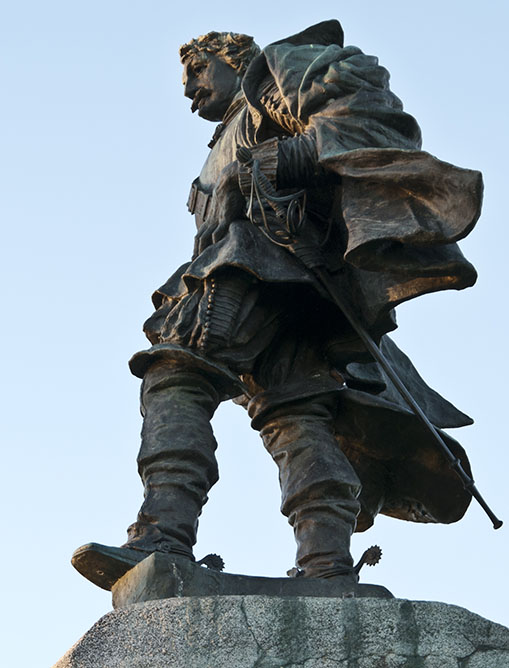
All candidates were asked for their position regarding the Champlain Monument. This is perhaps the most obvious and frequent topic of late. SUNonline/Orillia would not normally ask about anything that is an ongoing community debate, instead of topics we think should be the attention of the public, but we are curious if any candidate has an argument that does not rely on an emotional response.
Mason Ainsworth: This is a complex file, and it should be treated like one. People deserve facts before a final decision: costs, timelines, options, and what each option actually means for Couchiching Beach Park and for the city. Council should not rush this on emotion, and it should not bury it in process either. Put the information in plain language, make it public, and then let Orillia decide through a citywide vote. That is the fairest way to settle a community-wide question. My role would be to insist on a clear process: full information, honest options, and a decision that belongs to residents, not to whoever shouts the loudest.
Ralph Cipolla: I support it coming back with a new look and working with Rama to make sure it is supported by our first nations.
Shandell Conboy: My position on the Champlain Monument is that we have more important work to do before discussing the monument again.
For me, this is not about choosing a side based on emotion. It is about recognizing that the process surrounding the monument has hurt and damaged the relationship between the City of Orillia and the Chippewas of Rama First Nation. Rama First Nation has been clear that it does not wish to reopen discussions about the monument at this time.
I believe we need to respect that position and focus first on rebuilding trust and strengthening our relationship through transparency, respect, accountability and meaningful engagement. Reconciliation cannot simply be about one monument or one decision; it must be about building a healthier relationship for the future.
If, in time, Rama First Nation is willing to revisit the conversation, I believe we can have a thoughtful discussion about the monument, its history and how it should be represented. Until then, our focus should be on repairing the relationship
Rob Kloostra: I believe the Champlain Monument should remain in Orillia and ultimately be returned to an appropriate public location with proper historical context and meaningful consultation with Rama First Nation.
This issue has divided our community for far too long. I don’t believe the answer is to erase history, nor should we ignore the Indigenous perspective. We should be capable of telling the complete story.
Since Council had the monument crated and moved into storage in May, we still have not been told what it will ultimately cost taxpayers to restore and return it to public display. Before Council makes another decision, residents deserve that number.
Our relationship with Rama First Nation should also be much bigger than one monument. It requires ongoing communication, respect and cooperation.
Preserve the monument. Tell the complete history. Understand the cost. Work respectfully with Rama. Then let’s finally move forward.
Luke Leatherdale:No response was recieved from Mr. Leatherdale.
Duncan McDonald: This is an issue I have heard at the doors. People want it back. Listen to the people.
SUNonline/Orillia Question Number 2
Candidates were asked for their proposals regarding economic development, in the context of a new direction taken in 2014 – but not fully utilized, and international developments that could mean many more manufacturers who may establish, or expand production of goods here in Canada while they may have little or no capacity at the current time. In short, what is the plan to get ahead of the curve in a changing economic climate?
Mason Ainsworth: Support the businesses we already have, then be selective about what we attract next. That means stronger business retention and expansion, an updated Community Improvement Plan downtown, and putting unused land into productive use only when the project fits Orillia for the long term.
I have done this work: eight years on council; work with OBIAA, the Ontario Chamber of Commerce, and the Ministry of Colleges and Universities; and a Master’s in Economic Development and Innovation. At the Chamber, I helped lobby the Province to reduce interprovincial trade barriers so Ontario businesses can compete and grow. Through my podcast, Hyper Local: Economic Development in Ontario, I speak with leaders across the field about what actually makes a community stronger.
We should promote what we already have: location, workforce partnerships, the hospital and Lakehead opportunity, and land that is investment-ready. Attract employers who will stay, pay well, and add value.
Ralph Cipolla: Orillia is in need of jobs and new industry. I will work to put together an economic committee to work with council to develop new commercial and industry companies to come to Orillia.
Shandell Conboy: My approach to economic development would be proactive rather than reactive. Orillia needs to look ahead at where the economy is going and position ourselves to attract the businesses and jobs we will need, rather than waiting for opportunities to come to us.
We should actively market Orillia to companies looking to establish or expand Canadian production, while highlighting our location, workforce, quality of life and available employment opportunities.
But I also strongly believe economic development must connect with housing, transportation and infrastructure. Businesses will not invest here if employees cannot find housing or get to work – this is an area we also need to put focus into
Rob Kloostra: Economic development means jobs, investment and bringing new money into Orillia.
We already have an Economic Development department. I want us using it aggressively to identify opportunities, approach employers and sell Orillia rather than waiting for businesses to find us.
A new hospital and continued growth at Lakehead University could create years of work for local trades, contractors and suppliers, followed by permanent jobs and tremendous economic spinoff.
Sports tourism is another opportunity. Talk to softball or pickleball players – they want tournaments. Those tournaments bring spouses, children and grandparents who stay in our hotels, eat in our restaurants, buy gas and shop here.
We also need serviced employment lands ready for investment and to support businesses already here that want to expand.
My approach isn’t complicated: cut unnecessary red tape, pursue employers, support local businesses and measure results.
Economic Development shouldn’t wait for opportunity to come to us.
Luke Leatherdale: No response was received from Mr. Leatherdale.
Duncan McDonald: The city has 2 staff tasked with Economic Development. One might ask what are they doing?
Businesspersons are in business to make money. If the City doesn’t provide an environment where they can do that, then as we have seen recently, they will move.
A city must make the business case as to why a business would invest here. Address that first.
SUNonline/Orillia Question Number 3
The state and scope of homelessness is not something of Orillia’s making; other levels of governments bear responsibility by way of legislation, regulation and lack of using the tools available to get corporations to play ball. Yet, those levels of government are comfortable leaving municipalities to clean up the mess when municipalities do not have the financial and human resources to do much of anything. Governments in other countries have solutions that appear to stick and work, what do you know of them? So, what are you willing to do to put pressure on higher levels of government for meaningful change?
Mason Ainsworth: Municipalities did not create homelessness, and we do not have the money or tools to fix it alone. We still have a duty to help our people and keep warming services open and funded, connect people to mental health, addictions, and brain injury supports, and help people rebuild work and community ties. The real change sits with Queen’s Park and Ottawa. That is where I would put pressure. I have done that work before: on the AMO Board, with the Ontario Chamber of Commerce, and inside the provincial government at the Ministry of Colleges and Universities. I know how those systems work, who to call, and how to bring research and practical options to the table instead of catchy slogans. Things will get worse before they get better, and we need people in office who are willing to put in the work.
Ralph Cipolla:I will work with the province and the county like I have in the past to bring affordable housing. Orillia cannot do it alone and the county is responsible for affordable housing, so I will ask council to meet with the premier and the county.
Shandell Conboy: Homelessness is a complex issue that municipalities cannot solve alone. The Province and federal government control many of the systems needed for lasting change, including healthcare, mental health and addictions services, income supports and housing programs.
Locally, I would support practical solutions that help people move toward stability, while focusing more strongly on prevention. That means increasing attainable and supportive housing, improving access to mental health and addictions services, and identifying people at risk of losing their housing before they reach a crisis.
I would also use Orillia’s collective voice to pressure higher levels of government to take responsibility, or even to enable the municipalities in stronger ways. We need to work with other municipalities to clearly identify gaps, share evidence and advocate together for sustainable funding and services.
We cannot continue putting Band-Aids on a problem that requires systemic change. I want to see governments work together to address the root causes of homelessness, not simply manage its consequences.
Rob Kloostra: Municipalities cannot solve homelessness alone, but we can demand accountability for the systems operating in our communities.
I would push the Province and County for targeted funding tied to security, treatment, supportive housing and measurable outcomes. Shelters should have controlled access and security screening for everyone entering. People who are not accessing shelter services should not be permitted to congregate on shelter property, and properties should be appropriately secured. Violence, trafficking and repeat criminal behaviour cannot simply be accepted because someone is homeless.
We also need better management of existing subsidized housing. If the County lacks sufficient staff to investigate occupancy, unauthorized residents, serious repeated violations and misuse of limited housing, that needs to change. Every improperly occupied unit potentially keeps another eligible family waiting.
I would take these issues directly to the County, AMO, our MPP and provincial ministries. Compassion requires helping people. Accountability requires protecting everyone else too.
Luke Leatherdale: No response was received from Mr. Leatherdale.
Duncan McDonald: State of public assistance for homelessness: This is a complex issue. What is clear is what is currently being done, is not working.
I sit on a board of a local non-profit working with addiction, and as a part of the stream, people who are also homeless.
Stats Canada 2021 reported that the Federal Government spent $170,000 per homeless person in Canada. In addition, there is Provincial money, County money. And now some want to add to the growing tax burden by spending municipal dollars.
Compassion and clarity are not enemies. We need both to address the issues before we keep spending more money with no change in outcomes.
Casting Your Vote
Voting has already begun. There are advance polls at the Orillia recreation Centre October 14 from 1 to 7 p.m. and October 16 from 10 a.m. to 4 p.m. The West Orillia sports complex has advance polls October 20 from 1 to 7 p.m. and October 22 from 10 a.m. to 4 p.m.
Election Day is October 26 and polling stations are open from 10 a..m. to 8 p.m. at the following locations:
Ward 1 at the Gill Street community Complex
Ward 2 at the Orillia Recreation Centre
Ward 3 at the West Orillia sports Complex
Ward 4 Simcoe County Community Hub, 250 West Street North
(Photos by Swartz – SUNonline/Orillia and Supplied)
Ward Three Candidates
Ward Four Candidates
Mayoral Candidate Steve Clarke
Mayoral Candidate Whitney Smith