Is Your Bike Road Ready?
By Dave VanAlstyne – Special to SUNonline/Orillia
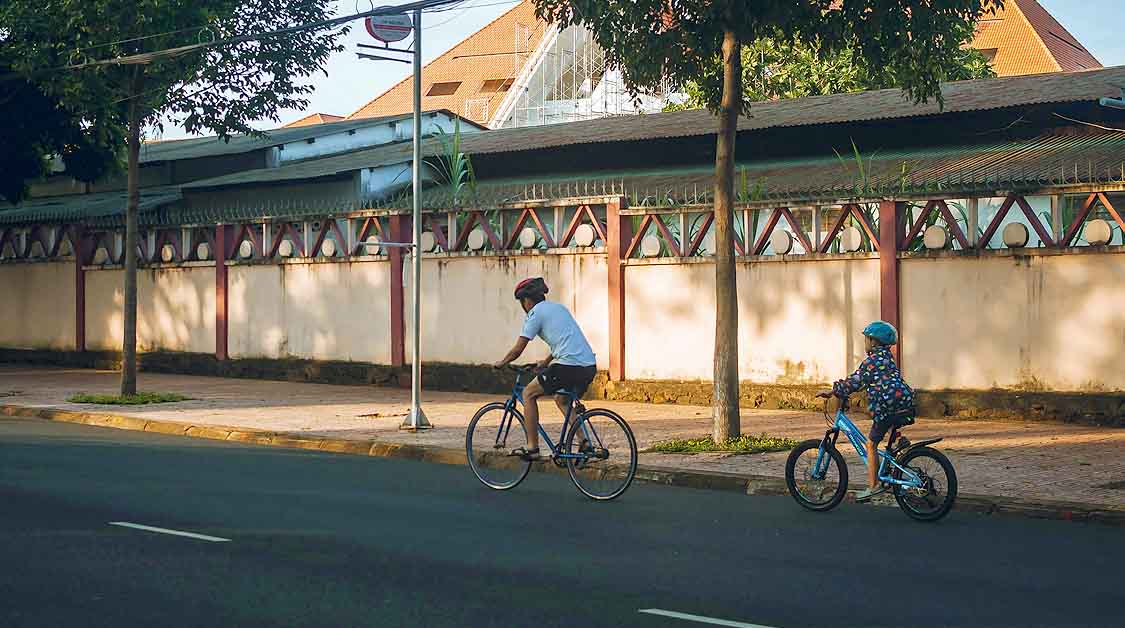
The arrival of spring seems to drag on this year, but as the weather improves and the snow finally melts many of us are looking forward to riding our bikes. For those planning to commute by bicycle or just getting out for fun, ensuring your bike is in good condition is crucial for a smooth, safe and dependable trip.
The Sustainable Orillia Bike Challenge starts May 11. Participants are invited to sign up for the bike challenge, build cycling into their daily routine, and be entered for a chance to win great prizes.
Follow these five tips from The Bike Stop of Orillia to get your bicycle ready and avoid getting stranded on your first ride of the season.
1. Clean and Check for Wear and Tear
Give your bike a thorough cleaning. Use a gentle brush, mild detergent (e.g. dish soap) and warm water to scrub away grime, dirt, and salt residue that might have accumulated during winter rides. Pay close attention to the drive train (chain, cassette, and derailleurs) – a biodegradable degreaser may be required to clean these parts. A clean bike not only looks better but also performs more efficiently.
While cleaning, inspect your bike for any signs of wear and tear. Check the brake pads for wear, ensuring they make full contact with the rims or discs and have plenty of pad left. Look for cracks, dents, or rust on the frame, fork, and wheels. Tighten any loose bolts, and if you’re unsure about any part, consult with a bike mechanic for a professional assessment.
2. Inflate Tires
Proper tire pressure ensures a comfortable and efficient ride. Check the recommended tire pressure range, printed on the sidewall of the tire. Use a floor pump with a pressure gauge to ensure they are inflated correctly. Under-inflated tires can lead to sluggish handling and increased risk of flats, while over-inflated tires can make for a harsh and uncomfortable ride.
Inspect the tires for cuts, punctures, or embedded debris that could cause flats. Replace tires if the tread is worn away, the tire is cracking or if you notice any significant damage.
It is also a good idea to know how to change a flat tire and carry a simple repair kit (multi-tool, tire levers, pump and spare tube). Don’t let a flat tire or simple adjustment completely derail your ride.
3. Lubricate
Proper lubrication is key to keeping your bike running smoothly and extending the lifespan of its components. Apply lubricant to a clean chain, wiping off any excess to prevent attracting dirt and grime (you only need the lubricant inside the chain). A well-lubricated chain ensures crisp shifting and reduces wear on the drive train. A good quality dry lube is best unless you regularly ride in wet weather or during the winter, in which case a wet lube will provide better protection. It is crucial to avoid getting any lubricant on disc brake components. Inspect the pedals, bottom bracket (the bearings where the cranks meet the frame), and headset (where the handlebar stem attaches to the frame) for looseness or stickiness. Listen for any creaking or groaning that may indicate the parts need to be regreased or replaced.
4. Check Brakes
Your brakes are the most critical safety feature on your bike. Inspect the brake pads for wear, ensuring there is enough material to make full contact with the rims or discs. Adjust the brake pads if necessary to align them properly. If your disc brakes are squealing or lack stopping power, it may be time to replace pads or rotors, or both.
Test the brake levers to ensure they engage smoothly and with enough force to stop your bike effectively. If you notice any sponginess or if the brakes don’t engage as they should, it might be time to replace the brake cables or bleed your hydraulic brakes.
5. Check Shifting
Smooth shifting will make your rides more enjoyable and efficient. It’s the kind of thing you take for granted until your drive train starts making an annoying noise or won’t shift properly. Ensure your shifting moves cleanly through the entire range without skipping or hesitating. If you notice any issues, you can fine-tune the cable tension using the barrel adjusters on the shifters or derailleurs, or seek help from a local bike mechanic.
Follow these five steps yourself, or clean up your bike and bring it to The Bike Stop for professional service and peace of mind. Remember that safety is paramount, so always wear a properly fitted helmet, use lights and reflectors in low-light conditions, and follow traffic laws and road etiquette.
(Images Supplied)